

Commercial vs Residential Real Estate: Key Differences Illinois Buyers & Sellers Must Understand
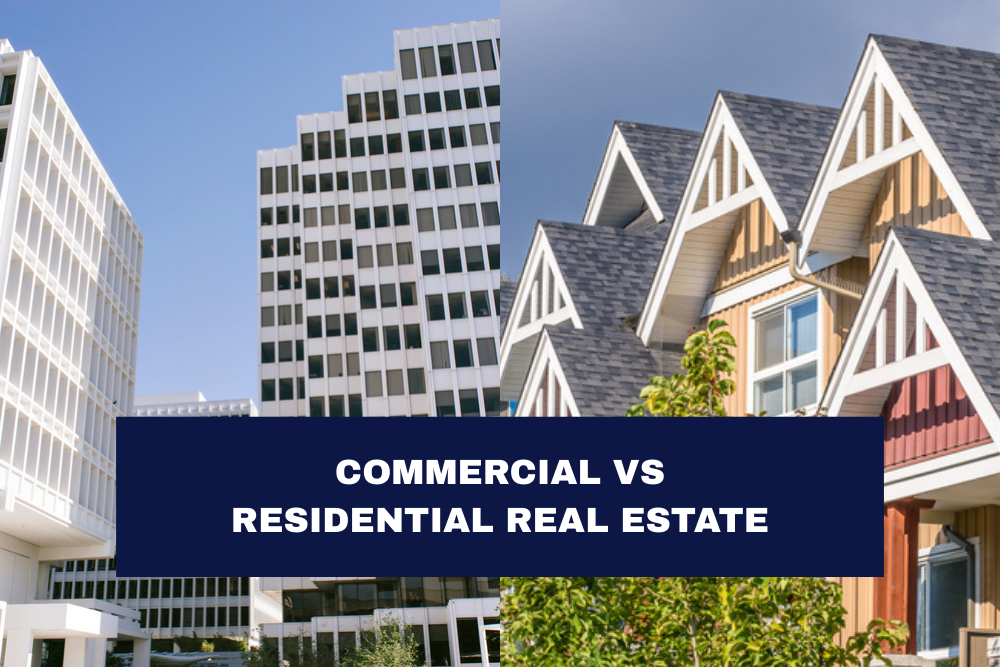
Real estate transactions are among the most significant financial decisions individuals and businesses make. In Illinois, the differences between commercial and residential real estate extend far beyond property type. They affect financing, due diligence, contracts, and long-term obligations.
At Berardi and Associates, our attorneys provide clear guidance to buyers and sellers, helping them understand these distinctions and protect their interests from the start. If you are preparing to buy or sell property in Illinois, please contact us to discuss your goals and legal needs.
Understanding Residential Real Estate in Illinois
Residential real estate includes properties intended for personal or family use, such as single-family homes, condominiums, or small multi-unit dwellings. Transactions in this category are regulated by consumer protection laws designed to safeguard individuals with less experience in property matters. A real estate attorney plays a key role in reviewing contracts, identifying title issues, and ensuring compliance with disclosure requirements under the Illinois Residential Real Property Disclosure Act.
Most residential buyers rely on mortgage financing, which involves lender-specific conditions, title insurance, and inspections. The closing process is standardized, but it still requires a thorough review of documents to prevent legal complications. Property defects, zoning violations, or title errors can delay or derail a sale if not properly addressed.
The Illinois Department of Financial and Professional Regulation provides guidance on consumer protections for residential transactions. Following these rules helps both buyers and sellers fulfill their obligations while safeguarding their financial interests.
Commercial Real Estate Transactions Explained
Commercial real estate includes income-producing properties such as office buildings, retail centers, industrial spaces, and multi-unit residential complexes. Unlike residential transactions, these deals are governed primarily by contract law rather than consumer protection statutes. This gives parties more flexibility but requires careful negotiation of terms, liabilities, and due diligence obligations.
A commercial real estate attorney ensures every phase of the transaction is handled properly, from drafting and negotiating purchase agreements to reviewing zoning compliance, environmental assessments, and lease obligations. In Illinois, these contracts often include clauses addressing development rights, maintenance duties, and dispute resolution, which may have significant financial implications.
Commercial financing also differs. Buyers often rely on business loans or private funding rather than traditional mortgages. Lenders may require personal guarantees or financial statements before approving funding. Given the complexity, professional legal oversight helps protect buyers and sellers throughout the process.
Due Diligence and Contractual Differences
The due diligence process highlights one of the biggest distinctions between commercial and residential transactions. Residential buyers typically focus on home inspections and mortgage approval, while commercial investors conduct in-depth investigations, including environmental studies, lease audits, and zoning reviews. A real estate lawyer in Illinois ensures all disclosures are accurate and helps identify liabilities before closing.
Contracts also differ significantly. Residential transactions use standard forms guided by Illinois law, while commercial contracts are customized through negotiation. These agreements often include conditions related to repairs, tenant rights, and performance clauses. Without proper review, parties may face unforeseen obligations or disputes later. Legal representation is crucial for accurately interpreting terms and protecting each client’s financial interests.
Legal Support Throughout the Transaction
Whether you are closing on a home or completing a commercial deal, legal representation ensures compliance and clarity. Berardi and Associates assists clients across Chicago and throughout Illinois with contract drafting, title review, financing arrangements, and dispute resolution. The firm also handles related matters, including construction defect litigation and property development, providing a cohesive approach to all types of transactions.
You can learn more about our services or explore attorney profiles on our attorneys page to see how our firm supports both buyers and sellers in achieving successful outcomes.
Why These Differences Matter for Illinois Buyers and Sellers
The key takeaway for Illinois buyers and sellers is that residential real estate follows consumer-focused rules, while commercial deals rely on customized, negotiable contracts. Understanding these differences helps clients make informed decisions and avoid unnecessary disputes. A commercial real estate lawyer identifies potential risks, reviews financial contingencies, and ensures that all contractual and regulatory obligations are met before closing.
With experienced counsel, clients gain confidence knowing their agreements are enforceable and their rights protected under Illinois law. In both residential and commercial contexts, professional legal guidance is a decisive factor in preventing costly disputes and ensuring successful closings.
Trusted Legal Guidance for Your Next Transaction
Real estate transactions can be challenging, but the right legal partner brings clarity and precision at every step. Berardi and Associates provides responsive and practical representation for property owners, developers, and business professionals across Illinois. Whether you are buying your first home or expanding your investment portfolio, our firm is ready to support you with trusted legal insight. To discuss your transaction or schedule a consultation, contact us today.